
It’s a brand-new year. The holiday decorations are back in storage, and everyone is getting back to their regular routines. The winter weather, however, is far from over. Heavy snowfall, icy conditions, powerful winds, and falling debris can cause serious problems for your roof. It’s no surprise that many homeowners dread the thought of winter roof construction. But if you find leaks in your home, the last thing you want to do is wait till spring.
What Causes Leaks
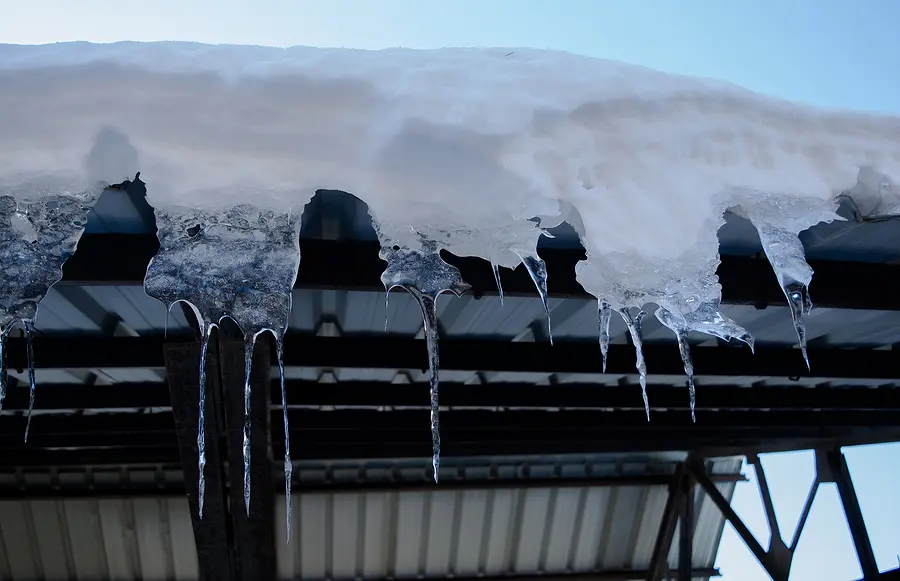
A leaking roof is cause for irritation no matter what season you are in. Counterintuitively, a leak in winter can actually be a positive. Much of the time, winter conditions reveal problems with the roofing structure or materials that would be much harder to spot at other times. If acted on quickly, you can likely save yourself bigger, more expensive issues down the line.
Ice dams: Ice dams are what happen when snow accumulates on your rooftop and the freeze/thaw cycle allows for melting snow to become insulated, forming a frozen dam under the powder. This lets water seep into the roofing materials, putting you at risk for leaks.
Gutter Clogs: Clogged gutters trap water. When that water doesn’t drain, it forms into ice, which builds up overtime and can not only bend your gutter system, but also push up under your vents and roofing. Once the water seeps in, you have a leak.
Damaged Shingles: If your roof went into winter with already damaged shingles, then in all likelihood, you have a leak right now. Shingles offer protection from the elements and create a border between the weather outside and your underlying roof materials. Cracked, broken, stripped, or missing shingles means the defense is compromised.
Condensation: As warm, humid air rises from your home in the winter, it meets with cold, dry air from outside. This creates condensation, and if too much gets trapped in your attic, it will cause leaks, mold, mildew, and rot. Having proper ventilation can help prevent this, along with adequate insulation.
I Found a Leak!
First off, Prioritize Your Safety. Hopefully, the leak is minor, but you want to take the same basic steps regardless.
Stay calm and Turn Off the Breakers to any electrical outlets or wires in the area of the leak.
Unplug All Electronics and move them to a secure area away from the leak.
Once you’ve done this, you can focus on the more secondary concerns; getting any valuables away from the moisture and, if your furniture is at risk, you will want to give it a protective plastic cover.
If and only if you can do so safely, look for a water patch, or swollen bubble. Get a bucket under the area and poke a small hole in the bubble to drain off the excess water and prevent it from continuing to spread on your roof and ceiling. Keep a bucket under the area and mop up excess water from the floor. You may want to track the progression of the leak to see how extensive the damage is.
From here, you want to reduce the amount of moisture as much as possible. If and only if you can do so safely (keeping all electronics away from the leak), you may want to keep a dehumidifier on, along with some fans. This can help prevent moisture from leeching into your drywall and flooring while you get the repairs started.
What NOT To Do
Do Not Get On Your Roof. Snow and ice can make even a generally stable roof dangerous, and right now you do not know if your roof is stable. If it is safe to go outside and you can take a walk around the property, take notes about where you notice any damage to the ground. Fallen debris, shingles in the snow, and large amounts of ice hanging from gutters. This can help later on.
Do Not Use Caulk or Spray Foam to try to cover the leak. Caulk blocks drainage, traps moisture, and frankly just does not have the integrity to stand up to a moisture leak long term. Spray foam has the same problem, along with the capacity to rot and mold, causing further damage. It will also have to be cut away for repairs to take place.
What To Do Next?
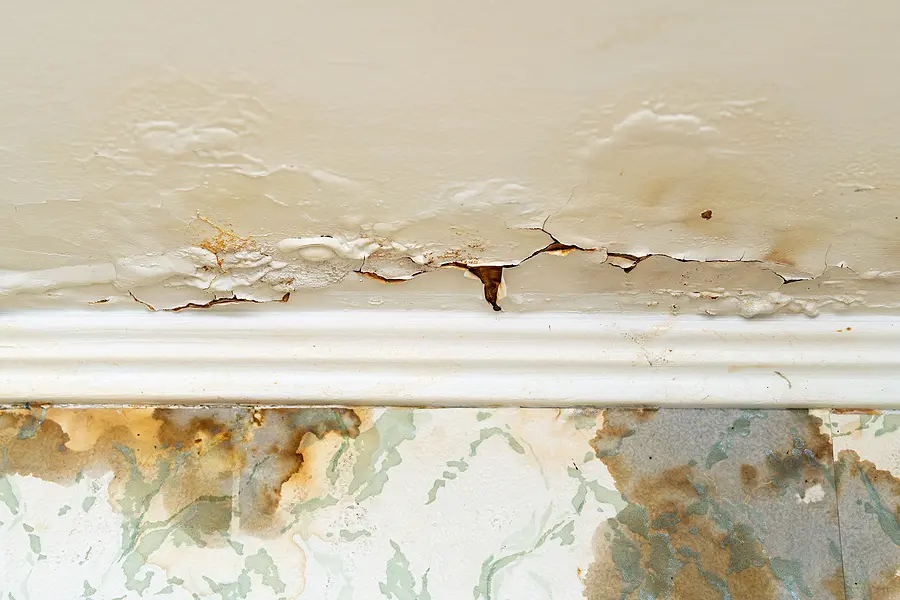
Call a roofing contractor. Many people make the mistake of thinking that you can’t do roofing repairs during the winter months. You can. There are a few extra steps, true. But especially when you are dealing with a local roofing company, you can trust that you have contractors who are used to the environment and understand how to work even in difficult seasonal weather.
Once you make an inspection/assessment appointment, document evidence of the leak and any damage you can get photos of safely. This will help with your insurance claim later on, as well as give us a good idea of what we’re looking at repair wise. It can also help to know how old your roof is, and with information about any previous repairs. Older roofs are more likely to have sustained damage in the past that can exacerbate the problem you are currently facing. If we know what work has been done to your roof, we can help troubleshoot by taking a look and making sure those repairs are standing up.
You’ll want to call your insurance company and start the claim process. They will send out their own adjuster to assess the damages and discuss your policy and deductible with you. We know this part of the process can be frustrating, especially when you have a hole in your roof and water dripping in the living room. Many roofing companies work with your insurance company once the assessment is done to help expedite the claims process and get to work. Don’t hesitate to ask your contractor for assistance.
At Goliath Roofing, we are proud to serve the Raleigh, Charlotte, and Greensboro areas with reliable customer service and expertise. We are committed to the comfort and safety of your home and promise 100% satisfaction or our jobs not done! We are the Top-Rated Storm Damage Restoration Company in North Carolina, so we are up to whatever challenges you can throw at us. Contact Goliath Roofing today and get started on your roofing project.